


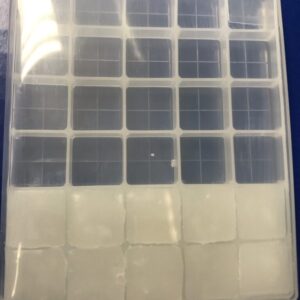
Ketamine Lozenges

Price range: $247.50 through $4,500.00
We provide a secure and reliable way to buy high-quality ketamine lozenges online. Our products are sourced from reputable suppliers, ensuring the best therapeutic benefits for mental health and wellness. Whether you’re seeking relief from depression or anxiety, we offer a convenient solution with fast and discreet shipping.
Understanding Ketamine Lozenges: Uses, Benefits, and Safety Profile
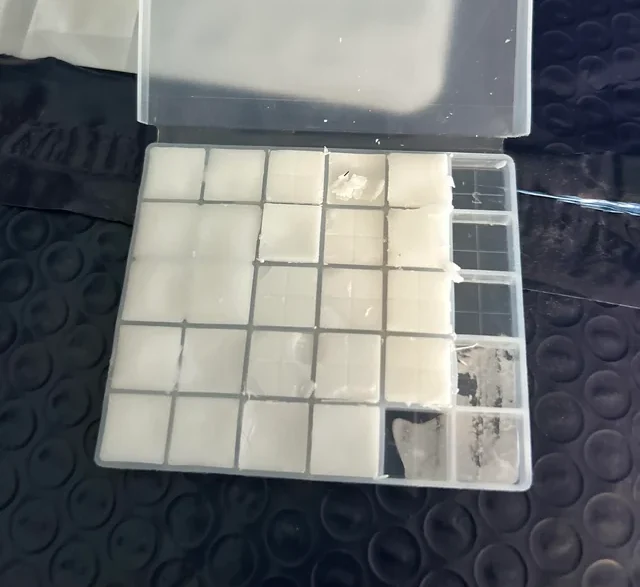
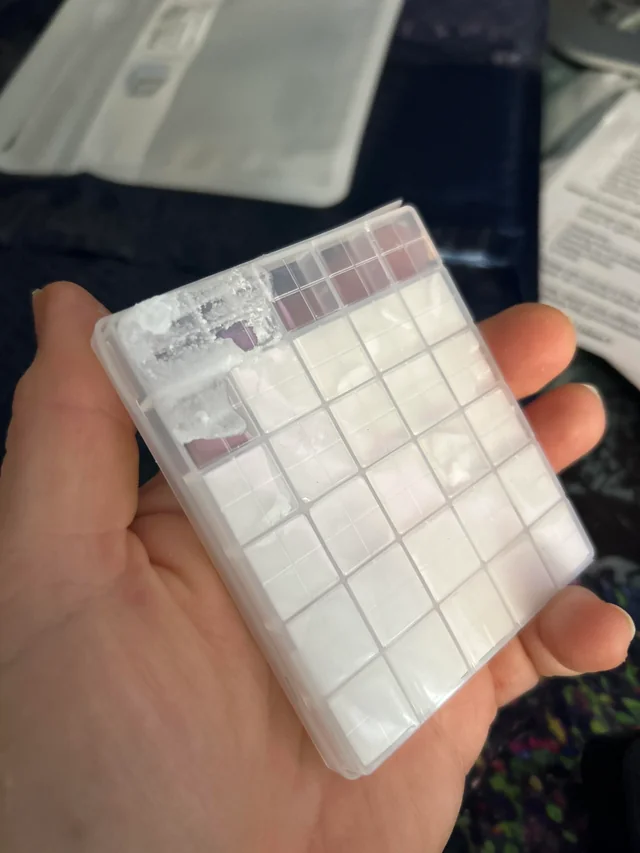
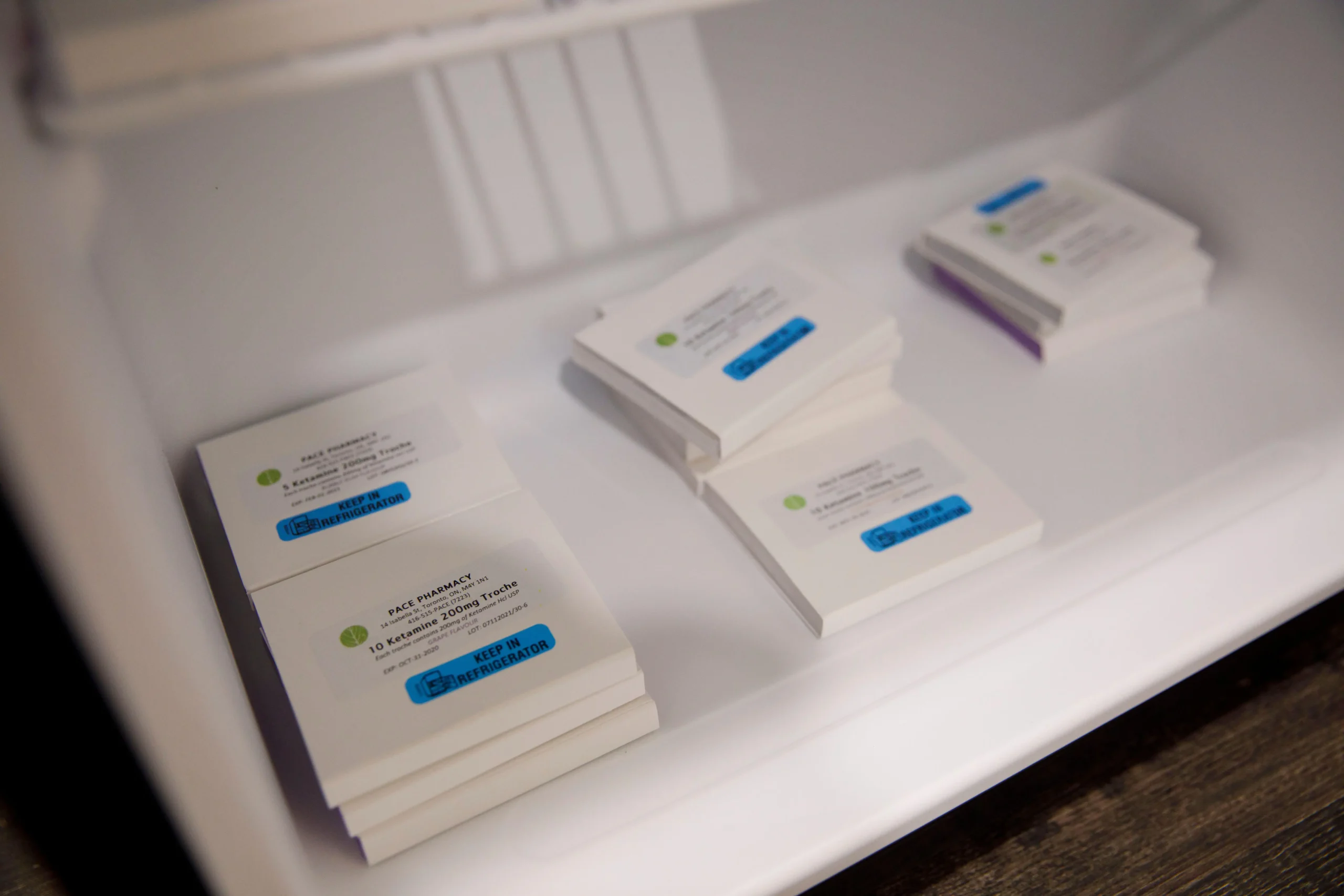
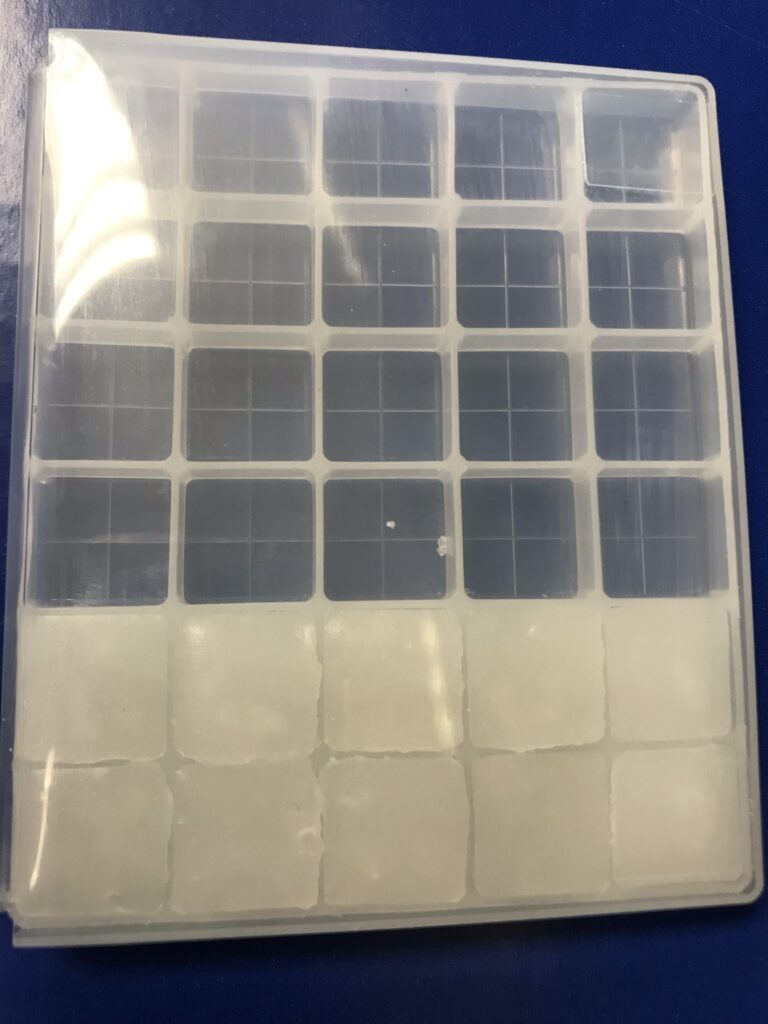
In recent years, ketamine has emerged from the operating room and the nightclub into the spotlight of mental health and pain management. While intravenous (IV) infusions have garnered the most attention, an alternative method is gaining traction for its convenience and accessibility: ketamine lozenges. Also known as troches, these are placed under the tongue or between the cheek and gum to dissolve.
This article explores what ketamine lozenges are, how they work, the conditions they treat, and what the latest research says about their safety and efficacy.
What Are Ketamine Lozenges?
Ketamine is a Schedule III controlled substance that has been used safely as an anesthetic since 1970 . Today, it is used “off-label” for treating mental health conditions and chronic pain because of its unique effect on the brain .
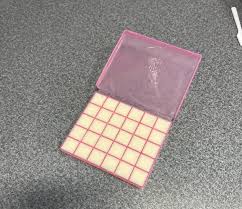
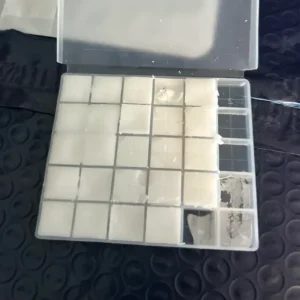
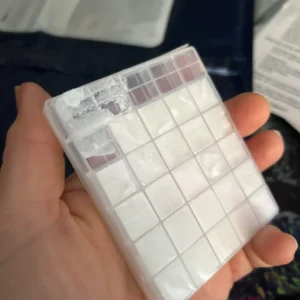
Ketamine lozenges are a form of sublingual or buccal administration. Unlike IV infusions that require a clinic visit, or the FDA-approved nasal spray Spravato (esketamine) which requires post-dose monitoring, lozenges offer a portable option. They are typically prescribed by specialized clinics or compounding pharmacies for at-home use, often as a maintenance treatment between infusions or as a primary therapy .
.webp "Ketamine Lozenges")
How Ketamine Works in the Brain and Body
To understand why ketamine lozenges are effective, it helps to know the science. Traditional antidepressants, like SSRIs, work by slowly building levels of neurotransmitters like serotonin. Ketamine works differently: it increases levels of glutamate, the most abundant excitatory neurotransmitter in the brain .
Research suggests that people with depression may have low levels of glutamate. By boosting glutamate, ketamine helps the brain form new neural pathways. This process, called neuroplasticity, allows the brain to repair damaged connections and create more positive thoughts and behaviors . Unlike traditional antidepressants which can take weeks to work, ketamine’s effects can sometimes be felt within hours .
Primary Uses for Ketamine Lozenges
Ketamine lozenges are being utilized to treat a variety of conditions, supported by a growing body of clinical evidence.
1. Treatment-Resistant Depression (TRD) and Anxiety
The most common reason for ketamine therapy is treatment-resistant depression. This occurs when a patient has tried at least two different antidepressants without adequate response . A significant 2024 retrospective study published on medRxiv examined 431 patients using at-home sublingual ketamine lozenges. The study found statistically significant reductions in depression, generalized anxiety, and social anxiety .
Interestingly, the study revealed that patients who did not respond to standard antidepressants saw similar benefits to those with non-resistant depression, suggesting it is a broadly effective option .
2. Chronic Non-Malignant Pain
For decades, ketamine has been used to manage complex pain syndromes. A 2022 case-series published in the Internal Medicine Journal looked at patients using sublingual ketamine lozenges for chronic pain over a period ranging from 2 to 89 months. The results showed that sublingual ketamine is a safe and effective analgesic agent .
One of the most significant benefits observed was an opioid-sparing effect. The study found that 59% of patients reduced their use of opioids, gabapentinoids, or benzodiazepines, with 39% achieving complete cessation of one of these agents . This makes ketamine a vital tool in fighting the opioid crisis.
3. Additional Applications
While more research is needed, clinicians also report using ketamine therapy to help with PTSD, OCD, bipolar disorder, and even alcohol use disorder .
Bioavailability and Pharmacokinetics
One of the most common questions regarding lozenges is how they compare to IV infusions in terms of absorption. When you swallow a medication, it goes through the “first-pass effect” in the liver, which metabolizes a significant portion of the drug.
-
Oral Swallowing: If you swallow ketamine, the bioavailability is relatively low (around 24%) because the liver processes it immediately .
-
Sublingual Administration: By holding the lozenge under the tongue, the drug absorbs directly into the bloodstream through the mucous membranes. This bypasses the initial liver breakdown. A formulation study confirmed that sublingual administration results in a median bioavailability of 24%, but with a wide range (up to 49%), and offers a faster onset of pain relief (as quick as 7 minutes) compared to swallowing .
The lozenge also results in the production of a metabolite called norketamine, which is also an NMDA receptor antagonist and may contribute significantly to the drug’s overall clinical efficacy .
Side Effects and Safety Profile
Safety is a primary concern with any controlled substance. The good news from long-term studies is that ketamine lozenges have a favorable safety profile when used under medical guidance.
Common Side Effects
During a session, patients may feel drowsy, relaxed, or experience mild perceptual changes. They might notice double vision or a feeling of detachment from reality . After the session, the most common side effects include:
-
Headache
-
Nausea
-
Drowsiness
-
Elevated blood pressure
Long-Term Safety Data
The 2022 pain management study provided crucial long-term safety data. Researchers found no association between the dosage or duration of treatment and the frequency of side effects. Importantly, there were no reports of renal impairment, cystitis (bladder inflammation), or hepatotoxicity (liver damage) —concerns often associated with long-term, high-dose ketamine abuse .
In the 2024 mental health study, only 18.8% of patients reported minor side effects, all resolving within 24 hours. Most importantly, 92% of patients concluded their treatment within 6 months, suggesting a low tendency for long-term dependence . Only 7% of patients discontinued treatment due to side effects, primarily drowsiness .

At-Home Use vs. Clinical Supervision
Ketamine lozenges are unique because they are often prescribed for at-home use. However, this does not mean they are unsafe. Reputable telehealth providers and clinics follow strict protocols:
-
Thorough Screening: Patients undergo rigorous psychiatric and medical evaluation to ensure they are low-risk and good candidates for at-home care .
-
Integration Programs: Many providers pair the medication with therapy or “integration” exercises, such as journaling, meditation, and breathwork, to help patients maximize the positive behavioral changes .
-
Monitoring: Patients must attend follow-up consultations to renew prescriptions, ensuring the treatment remains effective and safe .
It is vital to note that because ketamine can cause dissociation and sedation, patients are advised not to drive or operate heavy machinery after taking a lozenge .
How to Access Ketamine Lozenges
Ketamine lozenges are not typically available at standard retail pharmacies. They are usually dispensed by compounding pharmacies or directly through ketamine clinics .
Because it is an off-label treatment, insurance coverage is not guaranteed. While the FDA-approved Spravato is often covered, generic ketamine lozenges may require out-of-pocket payment. Costs can vary, and many clinics offer payment plans .
The Future of Sublingual Ketamine
The shift toward sublingual ketamine represents a democratization of a powerful treatment. It offers a less invasive, more scalable way to address the massive public health burden of depression and chronic pain. As research continues to validate its long-term safety—specifically showing no link between prolonged use and severe organ damage—it is likely that more telehealth platforms will adopt this method of care .
However, it remains a controlled substance with potential for misuse. It is essential to work with a licensed medical professional who can determine if this emerging therapy is right for you.
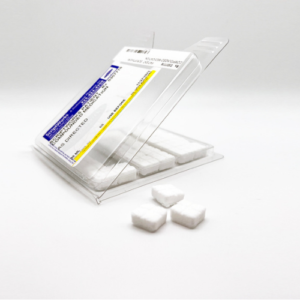
Frequently Asked Questions
Q: Are ketamine lozenges the same as “Special K”?
A: While the active ingredient is the same, medical use is strictly controlled. Medical ketamine is prescribed at specific doses for therapeutic effects, unlike the illicit drug used in nightclubs .
Q: How long do the effects last?
A: The dissociative or perceptual effects of the lozenge may last about an hour, but the antidepressant effects can last for days or weeks, which is why dosing is often weekly .
Q: Can I take ketamine lozenges with my current antidepressants?
A: Yes. Ketamine therapy is intended to be used with antidepressants, not as a replacement for them unless directed by your doctor .
Sources
-
Hackensack Meridian Health. (2023). What Are the Effects of Ketamine?
-
Maudlin, B., et al. (2022). Long-term safety and efficacy of sublingual ketamine troches/lozenges in chronic non-malignant pain management. Internal Medicine Journal.
-
WhiteSands Treatment. (2023). Ketamine Therapy: How Does It Work?
-
Swanson, L. N., et al. (2024). Sublingual Ketamine for Depression and Anxiety: A Retrospective Study. medRxiv.
-
Chong, C., et al. (2009). Development of a sublingual/oral formulation of ketamine. Clinical Drug Investigation.
Buy Ketamine Lozenges, Pure Ketamine Lozenges, ketamine lozenges for depression, ketamine lozenges for pain, ketamine lozenge dose, ketamine treatment at home, ketamine lozenges reviews
| Quantity | 30 Lozenges, 100 Lozenges, 500 Lozenges, 1000 Lozenges |
|---|
Be the first to review “Ketamine Lozenges”
General Inquiries
There are no inquiries yet.
Related products
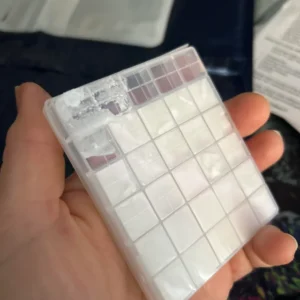
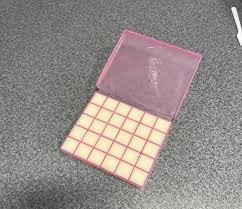
Ketamine Lozenges
Ketamine Lozenges

Reviews
There are no reviews yet.